 Design & Consultancy Services
Comprehensive Capabilities
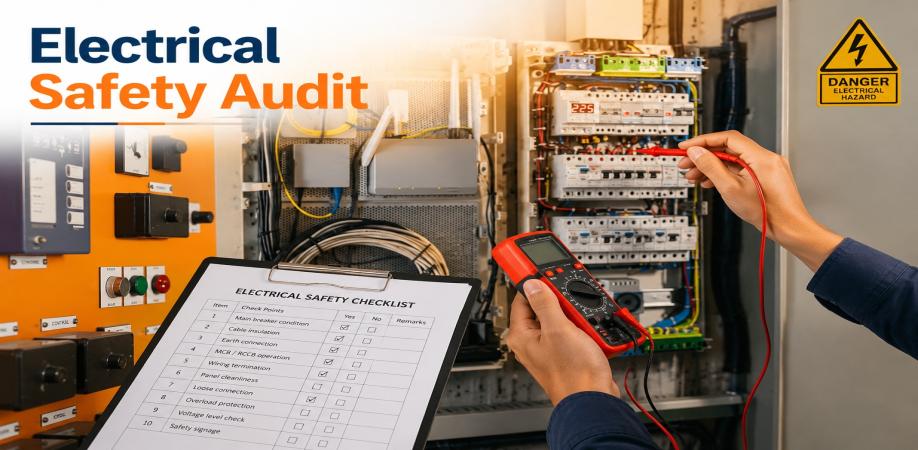
Periodical Electrical & Safety Testing: Statutory Industrial Audit & Engineering Overview
In industrial, commercial, and garment manufacturing facilities across Bangladesh, electrical distribution networks, high-voltage substations, and earthing grids operate continuously under substantial thermal, harmonic, and mechanical stresses. Over time, cable insulation degrades, electrical connections loosen due to thermal cycling, transformer dielectric oil absorbs atmospheric moisture, and earth pits lose conductivity due to soil dehydration and corrosion.
Techno Apogee delivers comprehensive, statutory-compliant Periodical Testing & Reporting Services engineered to satisfy the rigorous safety requirements of the Department of Inspection for Factories and Establishments (DIFE), the RMG Sustainability Council (RSC), NIRAPON, BNBC 2020 Part 8, and NFPA 70B. Our certified engineers utilize state-of-the-art calibrated diagnostic instruments to identify unseen degradation, mitigate catastrophic arc-flash hazards, prevent electrical fire ignition, and ensure absolute regulatory compliance with stamped engineering verification reports.
Core Statutory Testing Modules: Thermography, Insulation, Earthing & Transformer Oil
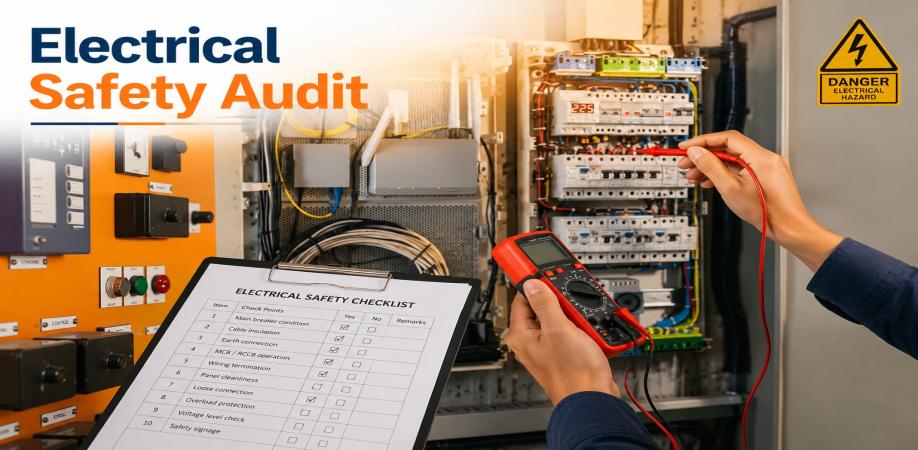
Our periodical engineering testing regimen integrates the four critical diagnostic examinations mandated by national and global compliance bodies:
- 1. Infrared Thermographic Scan (Thermal Imaging Audit): Utilizing calibrated high-resolution FLIR thermal cameras to inspect switchboards, LT/HT panels, busbar trunking (BBT) tap-off boxes, ACB/MCCBs, magnetic contactors, and cable terminations under a minimum of 40% full operating load. Detecting high-resistance contact joints, phase current imbalances, harmonic overheating, and loose connections before insulation melting or arc-flash occurs.
- 2. Insulation Resistance Testing (Megger Diagnostic): Applying 500V, 1000V, or 2500V DC test voltages to measure the dielectric resistance of power cables, distribution busbars, motor windings, and generator stators in accordance with IEEE 43 and BNBC. Evaluating insulation degradation, moisture ingress, and dielectric polarization index (PI).
- 3. Earth Resistance & Ground Loop Testing: Conducting 3-pole and 4-pole fall-of-potential resistance tests on lightning protection system (LPS) grounding pits, substation transformer neutral earthing, body grounding networks, and clean instrument earthing loops. Ensuring resistance values strictly adhere to statutory thresholds (< 1.0 Ω for substations and data infrastructure, < 5.0 Ω for general industrial distribution).
- 4. Transformer Oil Breakdown Voltage (BDV) & Dielectric Analysis: Extracting dielectric fluid samples from power and distribution transformers in sterile glass vessels and performing automated dielectric breakdown voltage testing up to 80kV in accordance with IEC 60156 / ASTM D877 standards, supplemented by physical sludge, color, and moisture evaluation.
Strategic Necessity: Factory Fire Prevention, RSC/DIFE Compliance & Production Continuity
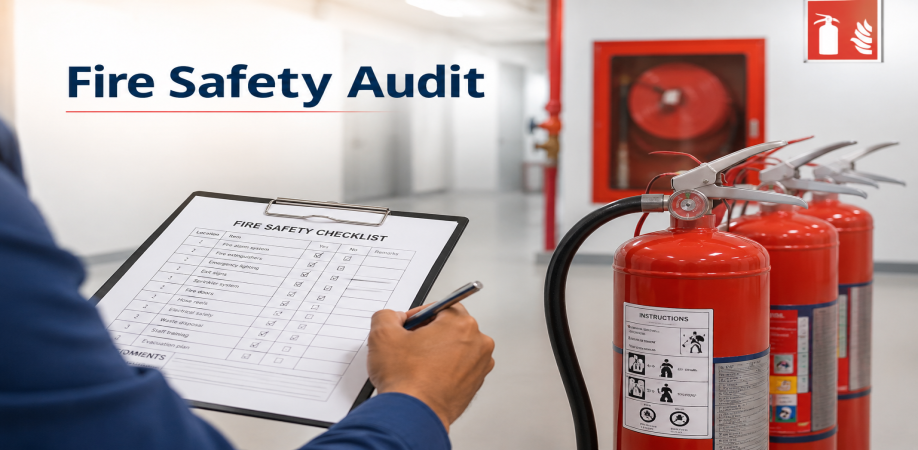
Over 75% of industrial factory fires in Bangladesh originate within electrical distribution systems—primarily caused by neglected loose terminations, overloaded conductors, deteriorated insulation, and dried-up earth pits. Periodic diagnostic testing is the only proactive engineering defense against catastrophic losses:
- Mandatory Statutory & Buyer Audit Compliance: Valid annual periodical test reports are an absolute prerequisite for renewing DIFE factory licenses, passing RSC (RMG Sustainability Council) safety follow-ups, and securing international buyer certifications including WRAP, BSCI, SEDEX, and ISO 45001.
- Life Safety & Arc-Flash Hazard Elimination: Identifying loose terminations and hot spots under live load prevents severe electrical flashovers, equipment explosions, and irreversible injury to plant personnel.
- Unscheduled Production Downtime Prevention: Detecting transformer oil breakdown and winding insulation deterioration weeks or months in advance allows scheduled maintenance, eliminating sudden substation blackouts that halt export production lines.
- Insurance Policy Validity & Premium Protection: Industrial fire and machinery breakdown insurance policies require valid, engineer-certified periodical test documentation to substantiate claims in the event of an incident.
5-Stage Engineering Testing, Diagnostic & Official Reporting Workflow

Techno Apogee executes periodical testing through a standardized, professional 5-stage engineering workflow designed to maximize diagnostic accuracy without interrupting manufacturing shifts:
- Stage 1: Pre-Audit Technical Review & Load Coordination: Examining existing Single-Line Diagrams (SLD), previous audit Corrective Action Plans (CAP), and scheduling live inspections during peak production hours to ensure sufficient electrical load (>40–70%) for valid thermographic evaluation.
- Stage 2: Live Infrared Thermographic Inspection: Systematically scanning all main LT panels, sub-distribution boards, capacitor banks, and BBT joints with calibrated infrared thermal imagers, logging exact Delta-T temperature differentials per NFPA 70B severity guidelines.
- Stage 3: De-Energized Testing (Insulation, Earth & Oil Sampling): Coordinating safe isolation during non-operational windows to test individual earth pit resistances, Megger test major feeder cables, and extract dielectric oil samples from hermetically sealed or conservator-type transformers.
- Stage 4: Quantitative Analysis & Dielectric BDV Laboratory Testing: Performing automated dielectric breakdown tests across 6 consecutive voltage ramps in accordance with IEC 60156, averaging breakdown values, and tabulating insulation resistance and earth resistance datasets against BNBC thresholds.
- Stage 5: Official Engineering Report & Prioritized CAP Delivery: Compiling a comprehensive, engineer-stamped test report featuring side-by-side visual and radiometric thermal images, temperature analysis, quantitative test matrices, severity rankings (Critical, Serious, Moderate), and practical engineering remediation guidance ready for DIFE, RSC, and fire authority submission.
Industrial Sectors & Facilities Requiring Annual Periodical Testing

We provide full-spectrum periodical testing and reporting services across diverse industrial, commercial, and institutional sectors in Bangladesh:
- RMG & Textile Manufacturing: Garments, knitwear, spinning, weaving, and textile wet-processing plants subject to RSC, NIRAPON, and DIFE oversight.
- Pharmaceutical & API Production: Cleanrooms, HVAC mechanical chillers, automated packaging lines, and sterile processing plants requiring zero electrical failure.
- Heavy Manufacturing & Steel Rolling: Steel re-rolling mills, cement factories, chemical plants, and heavy engineering facilities with severe harmonic and inductive loads.
- Food, Beverage & Cold Storage: Agro-processing, edible oil refineries, automated bottling plants, and cold storages operating continuous 24/7 refrigeration loads.
- Commercial Towers & Shopping Malls: High-rise multi-story office buildings, commercial corporate headquarters, and shopping complexes requiring FSCD and electrical fire compliance.
- Data Centers & Telecommunication Hubs: Mission-critical IT server rooms, telecom base stations, and UPS battery battery rooms demanding strict <1.0 Ω earth resistance.
Statutory Engineering Codes, Compliance Protocols & Calibration Standards Enforced
Every test conducted and every report issued by Techno Apogee is certified under rigorous national legislation and global engineering benchmarks:
- BNBC 2020 Part 8 (Bangladesh National Building Code): Chapter 1 (Electrical Installations), Chapter 2 (Lightning Protection Systems), and grounding resistance compliance.
- NFPA 70B: Standard for Electrical Equipment Maintenance — Thermographic Delta-T thermal classification criteria.
- NFPA 70E: Standard for Electrical Safety in the Workplace — Safe distance protocols, personal protective equipment (PPE), and arc-flash hazard reduction.
- IEEE 43 & IEEE 81: Recommended practices for testing insulation resistance of rotating machinery/cables and measuring earth resistivity and ground impedance.
- IEC 60156: International standard for determining the dielectric breakdown voltage of insulating liquids under alternating power frequency.
- Bangladesh Labor Rules 2015 & DIFE Guidelines: Mandatory annual statutory safety testing of factory electrical distribution and power generation equipment.
- RSC & NIRAPON Protocols: Remediation follow-up verification, electrical CAP closure, and periodical preventative maintenance audit reports.
Brands We Do